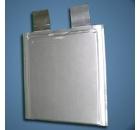
Low temperature Lithium Polymer Battery
低温锂聚合物电池
议价
加入意向低温锂聚合物电池可以在-40℃的工作,在这里,我们给你的锂聚合物电池组ATB6560158 29.4V 40AH为例(其它尺寸按您的要求):
一,简介:
再加上技术的imporvement与实际要求的低温电池,也有低温rechargebale的人需求量很大众多领域。
目前,几乎所有的中国电池线的电池可以站在低温利率在零下30度.
虽然ATB的低透射电镜电池可以站在最零下40度。
B,例如,ATB6560158电池组,我们的低统版本具有以下特性DSMC为好。
范围:
这份文件是根据客户参数要求订做,它描述了可充电锂聚合物电池的产品规格由AIRTAKERBATTERY生产
临时规范仅供客户参考,不regared的IQC和相互表白的基础
C,规格
| 没有。 | 项目 | 规格 | 注意 |
| 1 | 模型 | 6560158 / 40AH | 8P7S |
| 2 | 充电电压 | 29.4V(单节4.2V) | |
| 3 | 额定电压 | 25.9V | 电压在放电期间(与标准的充放电)的平均值。 当运输,空载电压为25.2V和26.95V之间。 |
| 4 | 标称容量 | 8P:40AH敏:38AH | 额定容量是指以0.2C放电到19.25V截止电压的能力,用标准方法充电后。 |
| 5 | 循环寿命 | ≥300次 | 一个周期是指一个充电周期,然后一个放电周期。 测试条件: 充电:0.2C至29.4V 放电:0.2C至19.25V 循环寿命是循环次数时的放电容量为约75%的额定容量。 |
| 6 | 阻抗 | 电池阻抗: ≤30mΩ; 组合阻抗:≤80mΩ | 标准充电后,测量与AC1KHz内阻(同时测量,剪辑邻近三分之二处的阳极和阴极的);测量该图线的两侧组装后。 (红B +,B-黑色) |
| 7 | 最大。 充电电流 | 0.5C | |
| 8 | 最大。 放电电流 | 1.0C | |
| 9 | 放电截止电压 | ≤19.6V | |
| 10 | 工作温度 | 放电:-40℃〜+ 55℃ 负责人:-40℃〜+ 45℃ | 电池必须存放在25.2V〜27.3V。 在长期储存电池应循环每90天。 该方法是做一个电荷 放电循环使用标准方法,再充到25.2V〜27.3V。 |
| 11 | 长期储存温度 | -5 ℃~+35℃ | 相对湿度:45〜75%RH 电压:3.8±0.1V(单细胞) |
低温锂聚合物电池可以在-40℃的工作,在这里,我们给你的锂聚合物电池组ATB6560158 29.4V 40AH为例(其它尺寸按您的要求):
一,简介:
再加上技术的imporvement与实际要求的低温电池,也有低温rechargebale的人需求量很大众多领域。
目前,几乎所有的中国电池线的电池可以站在低温利率在零下30度.
虽然ATB的低透射电镜电池可以站在最零下40度。
B,例如,ATB6560158电池组,我们的低统版本具有以下特性DSMC为好。
范围:
这份文件是根据客户参数要求订做,它描述了可充电锂聚合物电池的产品规格以AIRTAKERBATTERY生产。
临时规范仅供客户参考,不regared的IQC和相互表白的基础
C,规格
| 没有。 | 项目 | 规格 | 注意 |
| 1 | 模型 | 6560158 / 40AH | 8P7S |
| 2 | 充电电压 | 29.4V(单节4.2V) | |
| 3 | 额定电压 | 25.9V | 电压在放电期间(与标准的充放电)的平均值。 当运输,空载电压为25.2V和26.95V之间。 |
| 4 | 标称容量 | 8P:40AH敏:38AH | 额定容量是指以0.2C放电到19.25V截止电压的能力,用标准方法充电后。 |
| 5 | 循环寿命 | ≥300次 | 一个周期是指一个充电周期,然后一个放电周期。 测试条件: 充电:0.2C至29.4V 放电:0.2C至19.25V 循环寿命是循环次数时的放电容量为约75%的额定容量。 |
| 6 | 阻抗 | 电池阻抗: ≤30mΩ; 组合阻抗:≤80mΩ | 标准充电后,测量与AC1KHz内阻(同时测量,剪辑邻近三分之二处的阳极和阴极的);测量该图线的两侧组装后。 (红B +,B-黑色) |
| 7 | 最大。 充电电流 | 0.5C | |
| 8 | 最大。 放电电流 | 1.0C | |
| 9 | 放电截止电压 | ≤19.6V | |
| 10 | 工作温度 | 放电:-40℃〜+ 55℃ 负责人:-40℃〜+ 45℃ | 电池必须存放在25.2V〜27.3V。 在长期储存电池应循环每90天。 该方法是做一个电荷 放电循环使用标准方法,再充到25.2V〜27.3V。 |
| 11 | 长期储存温度 | -5 ℃~+35℃ | 相对湿度:45〜75%RH 电压:3.8±0.1V(单细胞) |
锂聚合物电池的工作流程
| 1.混合 •混合溶剂和债券分别与正极和负极活性物质。 使成正和负膏状物料在高速搅拌直至均匀后。 | ||
| 2.涂层 | ||
| 3.按 •按上述正极和负极板,直到它们变得平坦。 | ||
| 4.切割 | ||
| 5.极片 | ||
| 6.绕组 | ||
| 7.绝缘测试1 •在独立的阳极和阴极由隔膜纸; 一个电池单元已经形成,然后测试其绝缘。 | ||
| 8,密封1 | ||
| | ||
| 10.绝缘测试2 •电池的端子和铝箔的测试绝缘。 | ||
| 11.绝缘测试3 | ||
| 12.真空干燥 | ||
| 13.电解填充 | ||
| | ||
| |
| |
| 16. Activiting •充电和放电的电池首次或更多次,其连接到计算机,监视和记录它的性能指标。 | ||
| 17.排风 •航将退出内部电池充电后,绘制距离,直到真空。 | ||
| 18.密封4 | ||
| | ||
| •根据其高精度的分拣设备的容量,这是在任何时候观看并记录他们的表演通过电脑排序的电池。 | ||
| 21.老化试验
•存储电池在仓库分批检查其内部电阻,电压,容量和尺寸在10〜45℃的条件和65±20%的相对湿度后。 需要30天。 电池会定期重新检查每8天。 | ||
| 22.大会 | ||
| 23.最后检查 | ||
| 24.包装 •包装由内塑料托盘,外双瓦楞纸箱中,使它们成为整个托盘,表带他们,拉伸膜包装,以确保运输安全,包装符合包装贮存图形符号GB191-1990的规定。
|
low Temperature lithium polymer batteries can work at -40℃, here we give you lithium polymer battery pack ATB6560158 29.4V 40Ah as an example (other sizes at your request) :
A, Introduction:
Together with technology's imporvement and actual demanding of low temperature batteries, there are many field in great demand of low temperature rechargebale ones.
Currently, almost all of batteries of China battery line can stand low temperature rate at minus 30 degrees.
While ATB's low tem battery can stand at most minus 40 degrees.
B, For instance, ATB6560158 battery packs, our's low tem version have following charcteristics as well.
Scope:
This document is made according to customer parameter requirements, it describes the Product Specification of Chargeable Lithium Polymer Battery produced by AIRTAKERBATTERY
The temporary specification is only for the customer's reference, not regared as the basis of the IQC and mutual confession
C, Specification
| No. | Item | Spec | Note |
| 1 | model | 6560158/40Ah | 8P7S |
| 2 | Charge Voltage | 29.4V (single cell 4.2V) | |
| 3 | Nominal Voltage | 25.9V | The average value of voltage during the discharge period (with standard charge and discharge) . When shipping, the voltage without load is between 25.2V and 26.95V. |
| 4 | Nominal Capacity | 8P: 40Ah Min: 38Ah | Nominal Capacity refer to the capacity of 0.2C discharge to 19.25V cut-off voltage, after charging with standard method. |
| 5 | Cycle Life | ≥300 Times | One cycle refer to one charge period and then one discharge period. Test condition: Charge: 0.2C to 29.4V Discharge: 0.2C to 19.25V The cycle life is the cycle times when the discharge capacity is about 75% of the rated capacity. |
| 6 | Impedance | Cell Impedance: ≤30mΩ; Assemblage Impedance: ≤80mΩ | After Standard charging, measure the internal resistance with AC1KHz (while measuring, clip near 2/3 place of the anode and the cathode.) ;Measure two sides of the drawing line after assembling. (Red B+, Black B-) |
| 7 | Max. Charge Current | 0.5C | |
| 8 | Max. Discharge Current | 1.0C | |
| 9 | Discharge Cut-off Voltage | ≤19.6V | |
| 10 | Operating Temperature | Discharge: -40℃~ +55℃ Charge: -40℃~ +45℃ | Cells must be stored at 25.2V ~ 27.3V. Over long storage periods cells should be cycled every 90 days. The method is to do a charge- discharge cycle with standard method, then charge to 25.2V~ 27.3V. |
| 11 | long term storage temperature | -5 ℃~+35℃ | Relative humidity: 45~75%RH Voltage: 3.8±0.1V (single cell) |
low Temperature lithium polymer batteries can work at -40℃, here we give you lithium polymer battery pack ATB6560158 29.4V 40Ah as an example (other sizes at your request) :
A, Introduction:
Together with technology's imporvement and actual demanding of low temperature batteries, there are many field in great demand of low temperature rechargebale ones.
Currently, almost all of batteries of China battery line can stand low temperature rate at minus 30 degrees.
While ATB's low tem battery can stand at most minus 40 degrees.
B, For instance, ATB6560158 battery packs, our's low tem version have following charcteristics as well.
Scope:
This document is made according to customer parameter requirements, it describes the Product Specification of Chargeable Lithium Polymer Battery produced by AIRTAKERBATTERY.
The temporary specification is only for the customer's reference, not regared as the basis of the IQC and mutual confession
C, Specification
| No. | Item | Spec | Note |
| 1 | model | 6560158/40Ah | 8P7S |
| 2 | Charge Voltage | 29.4V (single cell 4.2V) | |
| 3 | Nominal Voltage | 25.9V | The average value of voltage during the discharge period (with standard charge and discharge) . When shipping, the voltage without load is between 25.2V and 26.95V. |
| 4 | Nominal Capacity | 8P: 40Ah Min: 38Ah | Nominal Capacity refer to the capacity of 0.2C discharge to 19.25V cut-off voltage, after charging with standard method. |
| 5 | Cycle Life | ≥300 Times | One cycle refer to one charge period and then one discharge period. Test condition: Charge: 0.2C to 29.4V Discharge: 0.2C to 19.25V The cycle life is the cycle times when the discharge capacity is about 75% of the rated capacity. |
| 6 | Impedance | Cell Impedance: ≤30mΩ; Assemblage Impedance: ≤80mΩ | After Standard charging, measure the internal resistance with AC1KHz (while measuring, clip near 2/3 place of the anode and the cathode.) ;Measure two sides of the drawing line after assembling. (Red B+, Black B-) |
| 7 | Max. Charge Current | 0.5C | |
| 8 | Max. Discharge Current | 1.0C | |
| 9 | Discharge Cut-off Voltage | ≤19.6V | |
| 10 | Operating Temperature | Discharge: -40℃~ +55℃ Charge: -40℃~ +45℃ | Cells must be stored at 25.2V ~ 27.3V. Over long storage periods cells should be cycled every 90 days. The method is to do a charge- discharge cycle with standard method, then charge to 25.2V~ 27.3V. |
| 11 | long term storage temperature | -5 ℃~+35℃ | Relative humidity: 45~75%RH Voltage: 3.8±0.1V (single cell) |
Lithium Polymer Battery Work-Flow
| 1. Mixing • Mix solvent and bond separately with positive and negative active materials. Make into positive and negative pasty materials after stirring at high speed till uniformity. | ||
| 2. Coating | ||
| 3. Pressing • Press the above positive and negative sheets till they become flat. | ||
| 4. Cutting | ||
| 5. Pole pieces | ||
| 6. Winding | ||
| 7. Insulation Test 1 • After separate anode and cathode by separator paper; a battery cell has formed, then test its insulation. | ||
| 8. Sealing 1 | ||
| | ||
| 10. Insulation Test 2 • Test insulation of the terminal of the battery and the aluminum foil. | ||
| 11. Insulation Test 3 | ||
| 12. Vacuum Drying | ||
| 13. Electrolyte filling | ||
| | ||
| |
| |
| 16. Activiting • Charge and discharge the battery for the first time or more times, connect it to computer, monitor and record its performance indicators. | ||
| 17. Air exhausting • Air will exit inside battery after charging, draw it away until vacuum. | ||
| 18. Sealing 4 | ||
| | ||
| • Sort batteries according to their capacity with high-precision sorting equipments, which is watched and recorded their performances by computers at all times. | ||
| 21. Aging testing
• Store batteries in batches in warehouse after inspecting their internal resistance, voltage, capacity and size in the conditions of 10~45℃ and relative humidity of 65±20%. 30 days is needed. Batteries will be re-inspected regularly every 8 days. | ||
| 22. Assembly | ||
| 23. Final inspection | ||
| 24. Packaging • Packaging consists of inner plastic tray and outer double corrugated carton, make them a whole pallet, strap them, wrap with stretch film to insure transportation safety, the packaging comply the regulation of packing storage graphic symbol GB191-1990.
|

&img=www.atupapa.com/show/wxbuyer/img/apk.png&url=//www.atupapa.com/show/wxbuyer/whatnear.apk)