Vacuum Casting (RTV)
真空铸造( RTV )
议价
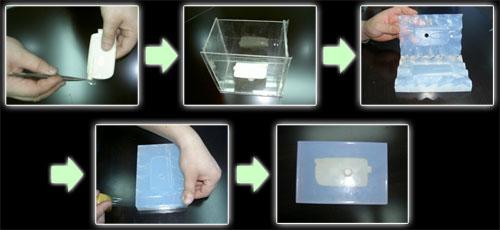
加入意向在矿井RTV(室温硫化)加工过程中,液体硅胶rubberis倒了主图案周围。 主模式/模具通常originatesfrom立体光刻技术作为SL生产树脂部件accuracywhich高度能够展示机械配合和功能。 SL部分arefinished以高标准打造工具的主人。
Theresulting模具从图案拉/剪切和固化,然后接着usedto铸造氨基甲酸酯份。 该方法的主要优点是能够toobtain更高量的原型的相对低的成本。
功能原型和可视化的模型具有良好的细节和表面光洁度
铸造聚氨酯的刚性,耐温性,颜色和质地的范围很大
可用于在某些情况下低运行生产
交付的一部分(S )一般在2 - 3周
Inthe RTV (Room Temperature Vulcanized) tooling process, liquid silicone rubberis poured around a master pattern. The master pattern/ mold usually originatesfrom Stereo Lithography as SL produces resin parts to a high degree of accuracywhich is capable of demonstrating mechanical fit and function. SL parts arefinished to a high standard to create tooling masters.
Theresulting mold is pulled/ cut from the pattern and cured, then subsequently usedto cast urethane parts. The key advantage of this process is being able toobtain higher quantities of prototypes at relatively low cost.
Functional prototypes and visual models with good detail and surface finishing
Cast urethanes ranging greatly in rigidity, temperature tolerance, color and texture
Can be used for low-run production in certain situations
Delivery of part (s) usually in 2 - 3 weeks

&img=www.atupapa.com/show/wxbuyer/img/apk.png&url=//www.atupapa.com/show/wxbuyer/whatnear.apk)