- Marketplace
- Merchants
- Restaurants
- UAE house
- Cloud accounting (GCC VAT)
- Me
- Cart
- My order
- Address book
- Favorite
- Link
- About us
- Download App
- 中文
- Merchant panel
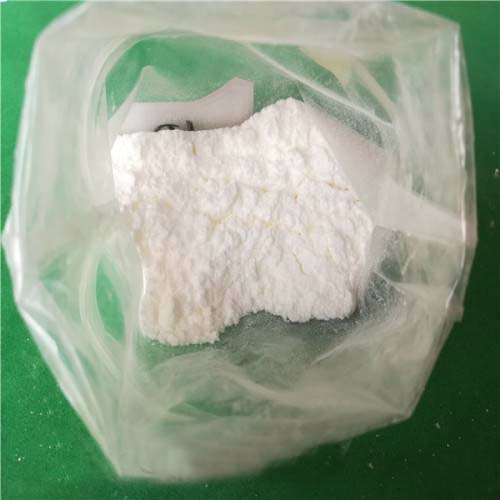
Medical Local Anesthetic Drugs Tetracaine hydrochloride Tetracaine Hcl CAS No.:136-47-0
bargain
add to cartBasic information
| Product Name: | Tetracaine hydrochloride | ||
| Synonyms: | L AND OCAIN HYDROCHLORIDE;INTERCAIN HYDROCHLORIDE; MEETHOBALM HYDROCHLORIDE; 2-(DIMETHYLAMINO)ETHYL 4-(N-BUTYLAMINO)BENZOATE HYDROCHLORIDE; 2-DIMETHYLAMINOETHYL ESTER OFP-BUTYLAMINOBENZOIC ACID HYDROCHLORIDE;4-(N-BUTYLAMINO)BENZOIC ACID 2-(DIMETHYLAMINO) ETHYL ESTER HYDROCHLORIDE;4-[BUTYLAMINO]BENZOIC ACID-2- [DIMETHYLAMINO]ETHYL ESTER HYDROCHLORIDE; 4-BUTYLAMINOBENZOIC ACID DIMETHYLAMINOETHYL ESTER HCL | ||
| CAS: | 136-47-0 | ||
| MF: | C15H25ClN2O2 | ||
| MW: | 300.82 | ||
| EINECS: | 205-248-5 | ||
| Product Categories: | API intermediates;Sodium channel;Amines;Aromatics;Intermediates & Fine Chemicals; Pharmaceuticals;Pharmaceutical intermediate;PONTOCAINE;Local anesthetic | ||
| Usage | A local anesthetic used topically in opthalmology. | ||
| Chemical | White Solid | ||
Tetracaine hydrochloride---Description
Tetracaine hydrochloride is synthesized from 4-butylaminobenzoic acid. The ethyl ester is formed through an acid-catalyzed esterification reaction. Base-catalyzed transesterification is achieved by boiling the ethyl ester of 4-butylaminobenzoic acid with excess 2-dimethylaminoethanol in the presence of a small amount of sodium ethoxide.
Tetracaine hydrochloride---Application
Tetracaine hydrochloride (INN, also known as amethocaine; trade name Pontocaine. Ametop and Dicaine) is a potent local anesthetic of the ester group. It is mainly used topically in ophthalmology and as an antipruritic, and it has been used in spinal anesthesia.
Tetracaine hydrochloride,In biomedical research, tetracaine is used to alter the function of calcium release channels (ryanodine receptors) that control the release of calcium from intracellular stores. Tetracaine is an allosteric blocker of channel function. At low concentrations, tetracaine causes an initial inhibition of spontaneous calcium release events, while at high concentrations, tetracaine blocks release completely.

&img=www.atupapa.com/show/wxbuyer/img/apk.png&url=//www.atupapa.com/show/wxbuyer/whatnear.apk)